Concrete Driveways in Burnley
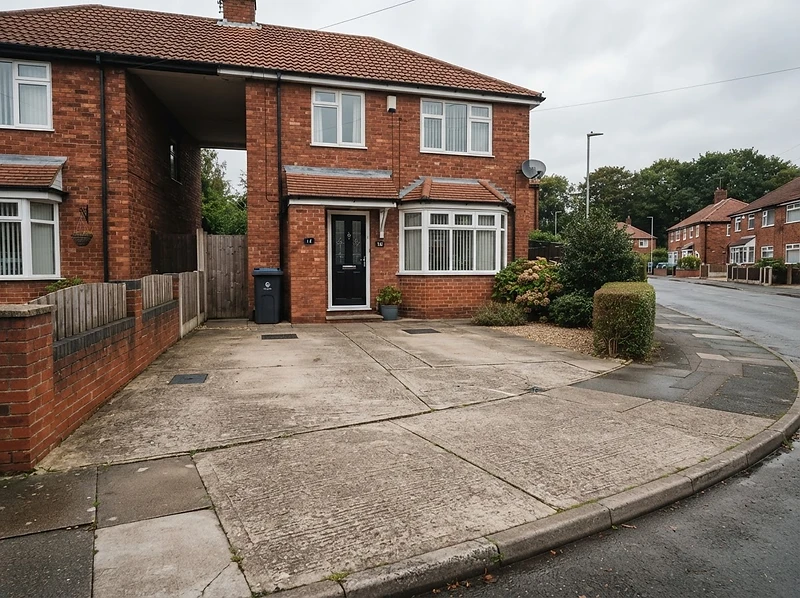
Plain and reinforced concrete driveways, including replacing tired old concrete, for properties across Burnley and nearby East Lancashire areas — dug out, prepared and finished properly rather than surfaced over.
What is offered
A concrete driveway is a straightforward, hard-wearing surface with no blocks to sink and no joints to weed. The work is in the preparation beneath it.
Decorative systems such as pattern-imprinted or stamped concrete are not offered.
- —Plain concrete driveways
- —Reinforced concrete driveways
- —Replacement of old concrete driveways
- —Excavation and sub-base preparation
- —Drainage and falls
- —Edge details
Excavation and sub-base
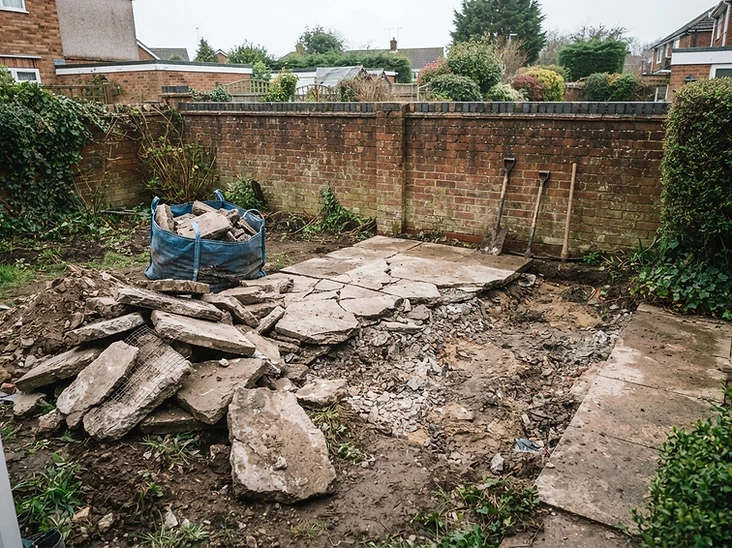
The existing surface is broken out and removed, the area excavated to depth, and crushed stone sub-base laid in layers and compacted. Vehicle loading makes this stage more important, not less.
Soft ground, old foundations and buried rubble are sometimes found under old driveways and are dealt with as they come up.
Vehicle loads and reinforcement
Driveways carry cars, vans and delivery traffic, so mesh or bar reinforcement is often appropriate. Whether it is used, and to what specification, depends on the vehicles, ground conditions and area involved.
Thickness, reinforcement and preparation depend on the intended vehicle loading, ground conditions and drainage requirements for the property.
Falls, drainage and the highway
Levels are arranged so water runs away from the house and garage rather than towards them, and to avoid discharging onto the public highway. Where a driveway is new or enlarged, surface water drainage and any permissions relating to crossings or the highway must be confirmed for the project.
Existing gullies, channels and covers within the driveway area are worked in.
Edges and joints
Edges are shuttered straight and, where a driveway meets a path, lawn or footway, the junction is detailed so there is no lip. Joints are formed or cut on larger areas to help control cracking.

Finish and curing
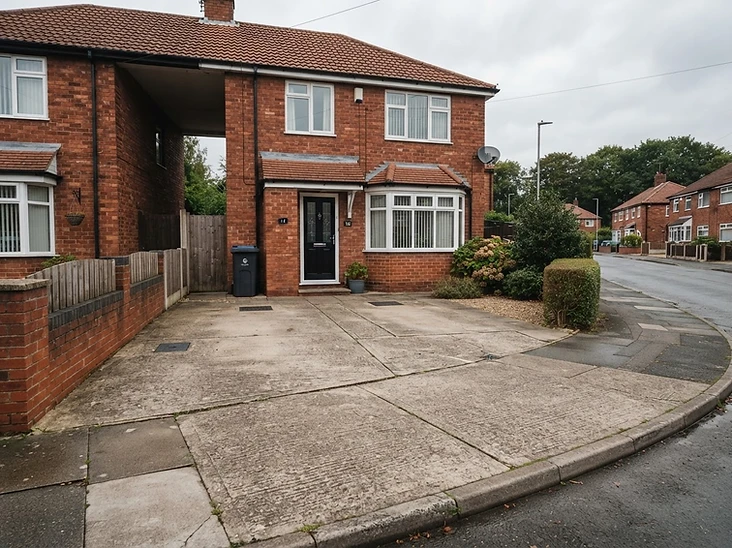
A brushed or tamped finish gives grip in wet weather. Concrete needs to cure before vehicles are driven on, and we will tell you what to allow so you can plan parking in the meantime.
Access and cost factors
- —Driveway area and thickness
- —Removing the existing surface
- —Excavation depth and spoil volume
- —Reinforcement specification
- —Drainage details and falls
- —Edges, kerbs and junctions
- —Access for materials and concrete
- —Waste removal
Related Work
- Concrete HardstandingBin areas, stores, machinery and access areas in plain concrete.
- Concrete RemovalBreaking out old bases, slabs and paving before new work.
- Domestic GroundworksClearance, excavation, levelling and sub-base work around the home.
- Concrete SlabsSlabs for workshops, stores, utility areas and small extensions.
- Concrete Paths & PatiosGarden paths, side access and hard-wearing patio areas.
- Areas CoveredBurnley, Padiham, Nelson, Colne, Brierfield and nearby areas.
- Contact Northern Grit ConcretePhone, email and how site visits are arranged.
Questions
Frequently Asked Questions
Discuss a Concrete Driveway
Send your postcode, rough measurements, what currently covers the area and a photo or two. We will explain the preparation involved.